
Ayesha Waheed
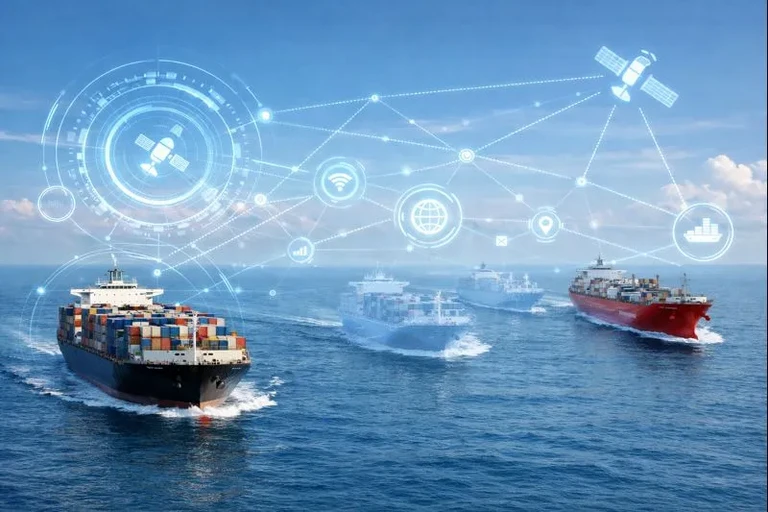
When we look at the recent geopolitical tensions and the state of economic competition, a change has arrived in the global trading system; hence, we can say there is a transformation in international trade. The increased trade tensions between major economies like the United States and China have led countries and multinational companies to strive to limit their dependence on established production units in these giants and explore alternative locations, shifting to emerging economies. This allows them to compete in international markets on their terms, and that is the driving force of the gradual restructuring of global supply chains.
Now this transformation creates an opportunity for a developing country like Pakistan as well, but here we need to evaluate whether the country can, to begin with, compete by entering this changing economic environment or will it limit itself due to its domestic challenges.
Apart from global supply chains changing because economies are looking for cheaper production locations, they are also shifting for other major reasons that include increased trade restrictions, political uncertainty, and economic security concerns, which have made the concentration of production procurement from a limited number of countries risky. As a result, economies are diversifying their production and procurement locations by exploring alternative suppliers to reduce their dependency on specific markets.
Let us look at some key figures that help elucidate the problem: according to UNCTAD’s Trade and Development Report 2026, global trade reached a record of $35 trillion in 2025 despite the ongoing trade restrictions and conflict, but there is a disparity in the distribution of these opportunities, as they seem to appear mainly in developed economies. Around 70% of announced greenfield investment in strategic sectors between 2020 and 2025 was captured by developed economies, showing the difficulty for developing countries to attract investment in high-value industries.
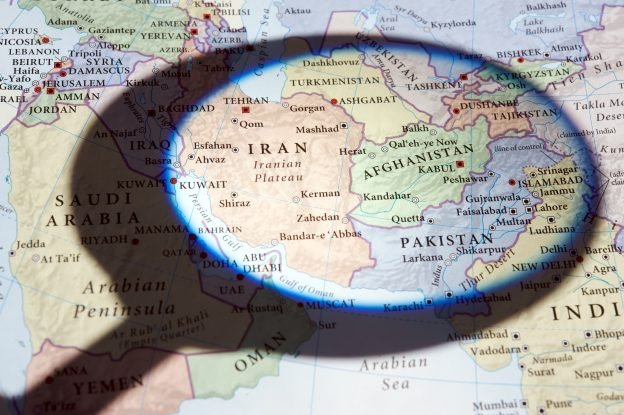
Geographically, we have always emphasized how Pakistan has an important advantage, as it lies at the intersection of South Asia, Central Asia, and the Middle East, having great access to regional markets and maritime routes. Its participation in sectors like textiles, information technology, agriculture, manufacturing, and a sizeable workforce can also be refined to give it a greater advantage by providing greater participation in international trade if done right.
However, these geographical advantages alone are not sufficient to attract businesses seeking reliable production locations. The cost of energy, quality infrastructure, regulatory consistency, access to markets, and the overall ease of carrying out business are also considered by investors.
As evident from Pakistan’s export performance, despite its endowed advantages, its structural weaknesses restrict its economic potential. Exports are concentrated in traditional sectors like textiles, while opportunities in manufacturing and technology-based industries are underdeveloped. A lot of good can come from exports and a focus on value-added goods, yet that remains untouched and unsupported.
According to the World Bank’s Pakistan Development update of October 2025, exports have declined from approximately 16% of GDP in the 1990s to around 10% in 2024. Factors that can be held responsible for this situation include costly energy, high tariffs, complicated regulations, and inefficient logistics. These constraints not only make production costs high for national businesses but also make Pakistan a less competitive destination for international investors.
Attracting foreign investment alone is not the message here. Although it may contribute capital, technology, and employment opportunities, its wider economic benefits depend on how effectively it connects with the domestic economy. Investment that mobilizes wider economic benefits, develops local suppliers, transfers skills, and strengthens industrial capacity has greater benefits than investment without meaningful connections to domestic businesses that have a limited impact on the country’s productive capacity. Therefore, Pakistan should not solely focus on attracting foreign investment but also ensure that it contributes to the development of local industries.
For Pakistan to benefit from the restructuring of global supply chains, it must first create conditions that allow domestic businesses to compete more effectively in international markets by becoming more supportive of export-oriented businesses. This includes reducing unnecessary tariffs on intermediate goods and raw materials, streamlining customs procedures, and ensuring consistency in regulations.
Secondly, serious attention is needed to the costly and unreliable energy, as expensive electricity and inefficient transport and transit systems increase the cost of production, weakening the competitiveness of exports. In order to create a more reliable business environment, improvements in energy infrastructure, roads, ports, and digital connectivity are required.
Diversifying its export base rather than depending heavily on a limited number of traditional products is another important consideration that Pakistan must focus on. This would require expanding information technology services, higher-value manufacturing, investing in technical education, modern production methods, and the capacity of domestic markets to reach international standards. Consistent economic policies and a predictable regulatory environment would also be necessary to encourage investors to make long-term commitments.
Restructuring global supply chains doesn’t guarantee that investment will automatically move to developing countries because many countries in Asia and beyond are already competing to attract these businesses by offering more reliable infrastructure, skilled labour, and stable economic policies; that means Pakistan would be competing with these economies, which already have an advantage over Pakistan, so it cannot expect its geographical location or workforce alone to convince companies to shift their operations. It must prove that it can provide a competitive and dependable environment for production and trade.
The restructuring of global supply chains therefore presents Pakistan with an opportunity, but to what extent it can benefit depends on domestic preparedness. It doesn’t need to compete with established economies across every industry. It can identify the sectors in which it has existing strengths and address the economic constraints preventing their expansion. If Pakistan can align trade reforms, infrastructure development, foreign investment, and domestic industrial growth within a consistent economic strategy, it may be able to secure a more meaningful position in the evolving trading system.

Ayesha Waheed is an Economics student at the National University of Sciences & Technology (NUST), Pakistan. Her academic interests include economic policy, development, international affairs, and public policy, with a broader interest in understanding how political, economic, and institutional factors shape societies and influence global developments.