



✕
PolicyEast-Logo-retina
✕
✕
PolicyEast-Logo-retina
SUBSCRIBE NOW
  • Home
  • Features
  • Opinion
  • Editorials
  • Briefs
  • About PolicyEast
  • Contact

READ ARTICLE Shadow Deterrence and Strategic Rivalry READ ARTICLE Small Modular Reactors and the New Energy Realism READ ARTICLE Book Review - The Dragon Roars Back: Transformational Leaders and Dynamics of Chinese Foreign Policy

Opinion

MORE OPINIONS

Book Review – The Dragon Roars Back: Transformational Leaders and Dynamics of Chinese Foreign Policy

Pakistan’s Quiet Diplomacy
Shifting Migration Patterns in Central Asia
Islamabad as the Bridge!

Policy East is a think tank that provides platform to various ideas and voices from around the globe on matters related to public policy.

Here, we discuss ideas and perspectives ranging from politics, international relations, culture, philosophy, diplomacy, governments, counter-extremism and counter-terrorism. Policy East’s special focus is on East Asia and Pacific, South Asia and Middle East.

Briefs

MORE BRIEFS

Mapping Middle Eastern Politics and the Covid-19 Challenge

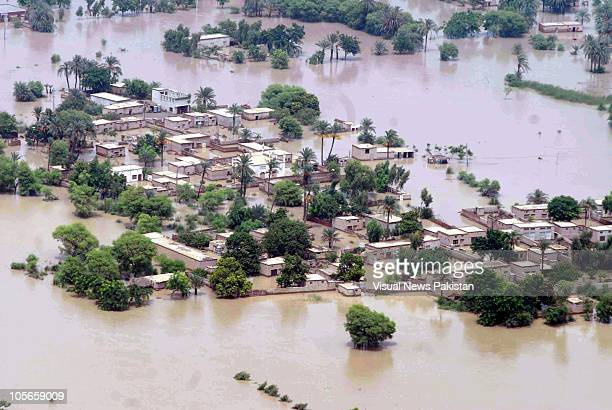
Pakistan Floods- What Lies Ahead?
14
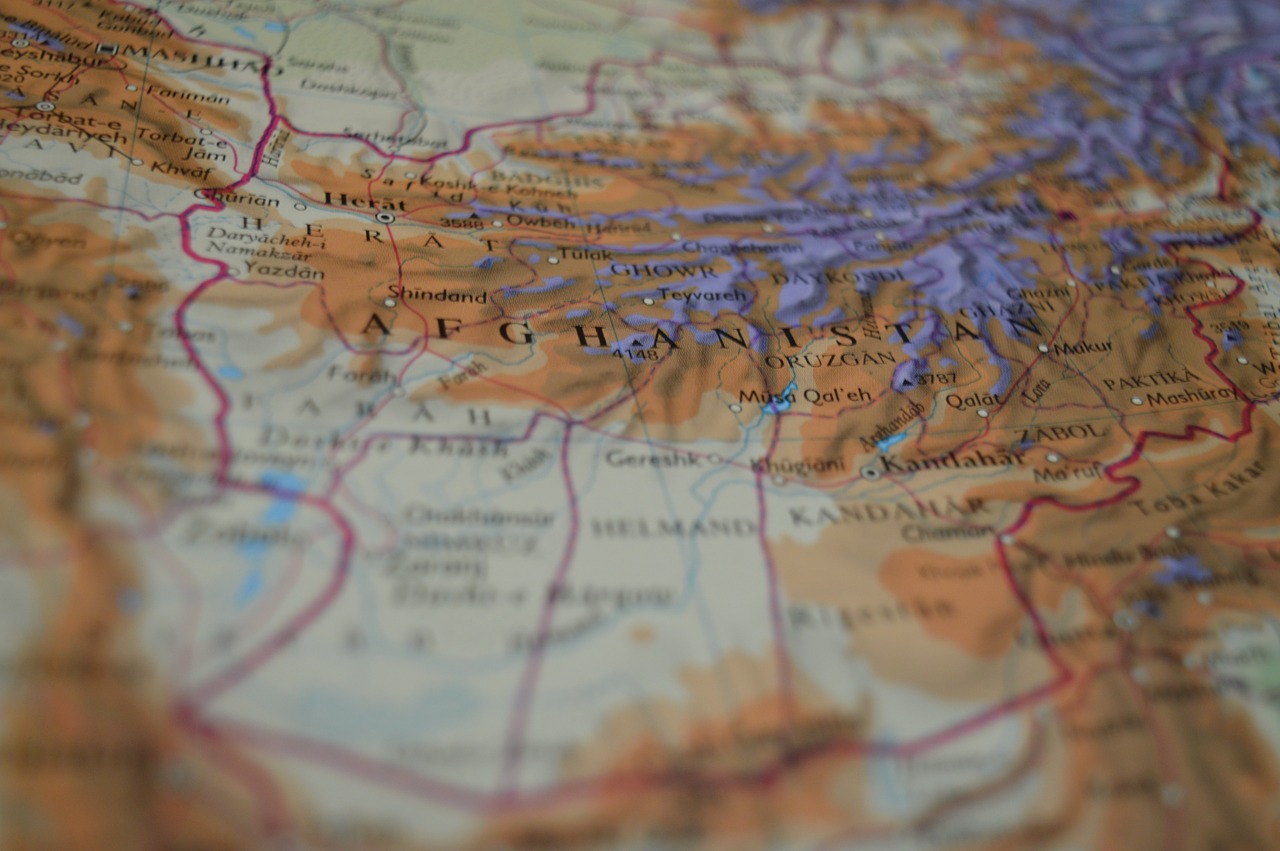
Afghanistan Map
Trans-Afghan Railway Network and Regional Connectivity 
20
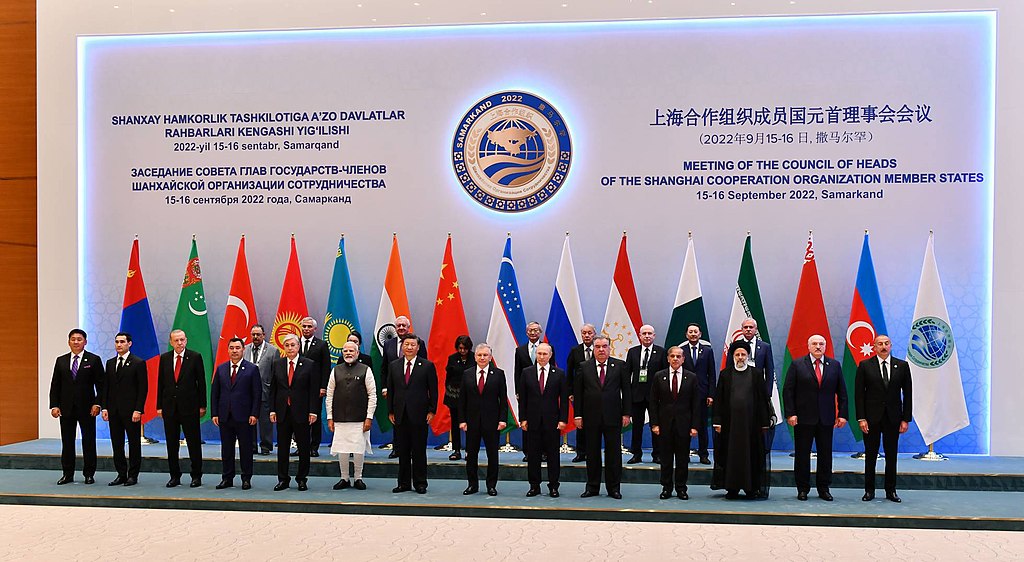
Shanghai Cooperation Organization
Shanghai Cooperation Organization and Multilateralism
33

Editorials

MORE EDITORIALS

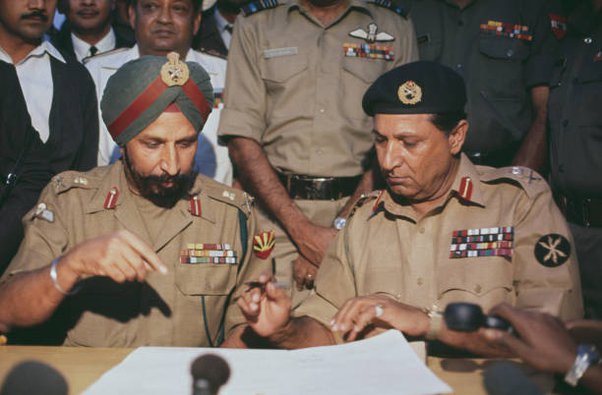
The Dhaka Tragedy 1971

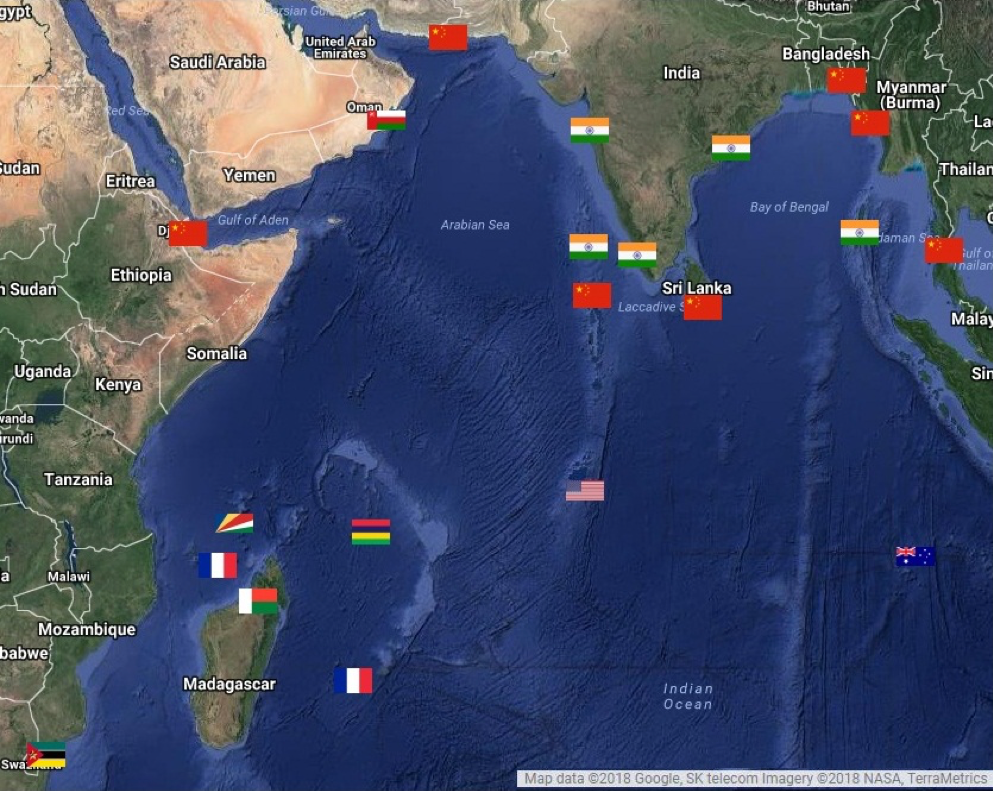
China’s Maritime Reach: Growing Influence in the Indian Ocean and its Implication
100
Shanghai Cooperation Organization
Shanghai Cooperation Organization and Multilateralism
33
Afghanistan Map
Trans-Afghan Railway Network and Regional Connectivity 
20

Book of the month

How States Think: The Rationality of Foreign Policy

To understand world politics, you need to understand how states think. Are states rational? Much of international relations theory assumes that they are. But many scholars believe that political leaders rarely act rationally. The issue is crucial for both the study and practice of international politics, for only if states are rational can scholars and policymakers understand and predict their behavior. John J. Mearsheimer and Sebastian Rosato argue that rational decisions in international politics rest on credible theories about how the world works and emerge from deliberative decision‑making processes. Using these criteria, they conclude that most states are rational most of the time, even if they are not always successful. Mearsheimer and Rosato make the case for their position, examining whether past and present world leaders, including George W. Bush and Vladimir Putin, have acted rationally in the context of momentous historical events, including both world wars, the Cold War, and the post–Cold War era.

Buy the book
Read Our Review

shaping ideas

Get the best blog stories into your inbox

    Policy East

    Follow us

    Navigation
    • Home
    • Features
    • Opinion
    • Editorials
    • Briefs
    • About PolicyEast
    • Contact
    © 2026 PoicyEast | All Rights Reserved

    Privacy Policy

    ✕
    • Home
    • Features
    • Opinion
    • Editorials
    • Briefs
    • About PolicyEast
    • Contact
    Get the best blog stories into your inbox
    SUBSCRIBE NOW