
Zehrish Iqbal
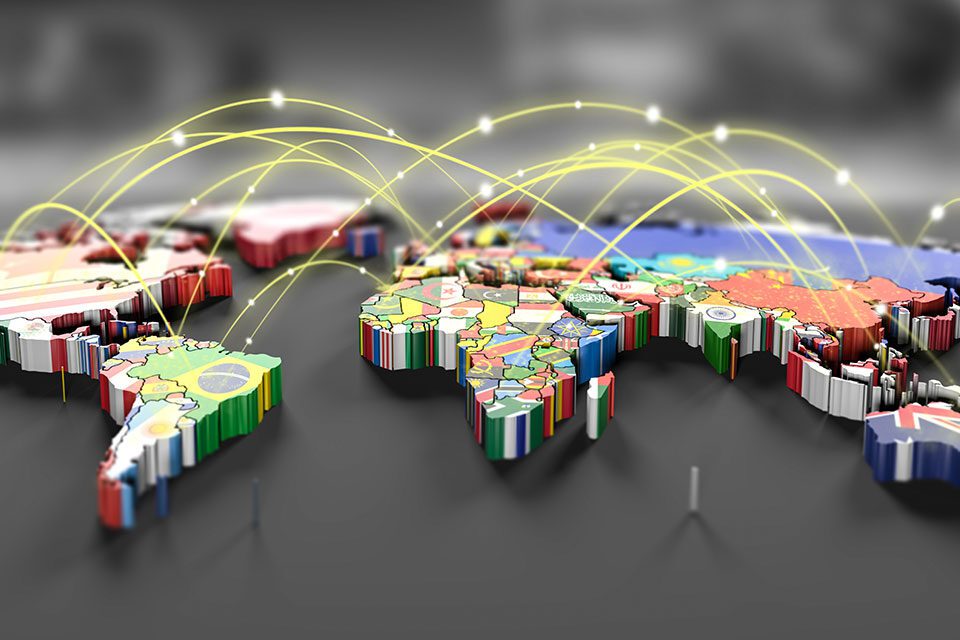
As the European Union and China mark 50 years of diplomatic relations, the economic landscape between these two giants has reached a pivotal juncture characterized by deep interdependence and escalating systemic friction. Together, the EU and China account for nearly 30% of global trade, a reality that underscores the high stakes involved in their bilateral stability.
However, the modern relationship is no longer defined solely by the flow of goods; it is governed by the EU’s multifaceted definition of China as a partner for cooperation, an economic competitor, and a systemic rival. Navigating this “triple-track” approach requires a careful balancing act that acknowledges the benefits of integration while addressing significant structural imbalances and security concerns.
The scale of this economic engagement is vast. In 2024, China stood as the EU’s largest partner for imports of goods, accounting for 21.3%, and the third-largest destination for EU exports at 8.3%. Yet, this massive volume of trade has produced a substantial trade deficit for the EU, which reached €308.4 billion in 2024 and is expected to rise further.
This imbalance is particularly pronounced in manufactured goods, which represent 97% of EU imports from China. For the European economy, where the automotive sector alone generates approximately 7% of the gross domestic product and supports nearly 14 million jobs, the competitive pressure from China is not merely a commercial issue but a matter of fundamental economic security.
The electric vehicle (EV) sector has emerged as a primary theater of this competition. China has rapidly become the world’s leading EV producer, manufacturing 54% of global electric vehicles as of 2024. The European Commission, concerned that the global market is being flooded by cheaper EVs with prices kept artificially low through state support, initiated an anti-subsidy investigation in October 2023.
This probe, the largest trade case in EU history, concluded that Chinese-made EVs benefited from unfair subsidies. Consequently, the EU implemented definitive countervailing duties in October 2024, with rates ranging from 17.0% to 36.3%. While intended to buy time for European manufacturers to transition, experts warn that tariffs alone cannot ensure competitiveness without a broader industrial policy and increased investment.
Beyond finished products, the relationship is strained by vulnerabilities in the supply of critical raw materials. Rare earth elements are imperative for Europe’s digital, defense, and green industries, yet 80% of European firms are three intermediaries away from producers, highlighting a precarious dependency.
China’s announcement of new export controls on rare earth elements in 2025 further intensified these concerns, prompting the EU to adopt the Critical Raw Materials Act to diversify imports and strengthen supply monitoring. Simultaneously, China’s growing presence in regions like Latin America and the Caribbean has placed it in direct competition with the EU’s objectives to secure lithium and copper sources.
Trade tensions have also spilled over into the agricultural and high-tech sectors. In February 2026, China announced final duties ranging from 7.4% to 11.7% on certain EU dairy imports following an anti-subsidy investigation. Chinese authorities cited the EU’s Common Agricultural Policy as providing subsidies that caused material injury to their domestic industry.
In the technological sphere, the European Commission challenged China at the World Trade Organization in January 2025 regarding intellectual property rights. The EU alleges that Chinese courts have been empowered to set binding worldwide royalty rates for standard essential patents, pressuring European high-tech firms into lower rates and interfering with the competence of EU courts.
Despite these points of contention, the imperative for cooperation remains strong, particularly regarding climate change. Both parties have reiterated that major economies must lead the green transition. For the first time, China has agreed to an absolute greenhouse gas emissions reduction in its 2035 climate targets.
Even environmental policy is a source of friction; the EU’s Carbon Border Adjustment Mechanism (CBAM), aimed at reducing “carbon leakage” by taxing carbon-intensive imports like steel and aluminum, is viewed by some in China as a trade barrier. While the immediate impact of CBAM on Chinese exports is expected to be limited, it may eventually push China to adopt more stringent domestic policies and align its own emissions trading system more closely with the EU’s.
The path forward is now widely described through the lens of “de-risking, not decoupling”. This strategy, embraced by the G7 and the EU, seeks to reduce excessive dependencies and protect critical technologies without severing the vital economic ties that sustain global growth. However, the term remains ambiguous, with different nations interpreting the necessary degree of economic separation differently.
For Europe, the challenge lies in effectively deploying its “promote, protect, and partner” framework. This involves promoting domestic manufacturing through initiatives like a Clean Industrial Act, protecting the single market from unfair practices via trade defense instruments, and partnering with diverse global allies to build resilient supply chains.
Finally, the future of Europe-China economic relations will depend on the ability of both parties to navigate legitimate security concerns while maintaining an international rules-based order. While the “sanctions spiral” and “overdependence” scenarios remain cautionary risks, a “cutting-edge Europe” that competes on an equal footing through innovation and technology transfers remains a viable, albeit difficult, objective.
Success will require a well-coordinated mix of trade defense and positive incentives, ensuring that the 50-year-old relationship evolves to meet the challenges of a fragmented global economy.

The author is a BS scholar of Social Development Studies student at Aga Khan University. She is interested in social issues, development, and how policies affect people’s daily lives. She enjoys learning about the world, writing, and exploring ideas that can help build fairer and more sustainable societies.