Syeda Aeliya Batool
For decades, Germany’s foreign policy focuses on economic strength, trade, diplomacy, European integration and multilateral cooperation. As Europe’s largest economy, Germany often preferred economic interdependence and diplomatic engagement over military power. Germany has established strong relationship with China.
German Foreign Minister Guido Westerwelle, in 2012 emphasized trade, investment, technological cooperation and globalization as important foundation. For Germany, economic engagement was not only a commercial policy but an important tool for having an international influence.
However, Germany’s economic strength created expectations of handling international responsibility as well. This debate became common through the launch of Federal Foreign Office’s “Review 2014 – A Fresh Look at German Foreign Policy”. Nevertheless, Germany remained cautious about traditional power politics too and continued to emphasize diplomacy, European cooperation and multilateralism.
The transformation came when Russia started full scale invasion on Ukraine in 2022. On 27 February, Chancellor Olaf Scholz declared a “Zeitenwende” orwatershed moment, arguing that Russia’s aggression had fundamentally changed Europe’s security environment. Germany can no longer rely on the previous assumption of peace and security therefore, Scholz announced a €100 billion special fund for strengthening the defence capabilities.
This marked a major shift because military capability, previously a relatively cautious area of German policy, became a central element of national and European security. The transformation was institutionalized in Germany’s firstNational Security Strategy in 2023.
The strategy introduced the concept of “integrated security”; military defence was not enough economic resilience, energy security, critical infrastructure, cybersecurity, technological capabilities and societal resilience were also treated as security concern areas. Germany was therefore not abandoning its economic power; rather, it was the beginning of gaining economic strength through strategic lens.
Germany has also changed its policy with China which provides the clearest evidence of transformation. Earlier Germaney viewed China as an economic partner. However, by 2023 the Federal Government’s China Strategy recognized China as a partner, competitor and systemic rival. Berlin still supported economic engagement but emphasized on reducing strategic dependencies, protecting critical technologies and addressing the geopolitical risks. This shift can be described as securitization of economic policy.
Germany has not stopped trade, investment and globalization instead it becomes more conscious whether the economic cooperation creates strategic vulnerabilities. Energy supplies, critical technologies, infrastructure and supply chains are now considered not only economic matters but also elements of national security.
This represents an important change in the traditional German model of economic interdependence. Meanwhile, Germany’s emerging strategic role remains closely connected with European union security and NATO. Its National Security Strategy emphasizes that German security cannot be separated from European and transatlantic security.
Consequently, Germany’s strategic transformation is not simply about becoming a stronger military power; it is about combining defence capabilities with economic strength, diplomacy, technological resilience and European cooperation. Germany’s main goal is to influence Internationally while supporting and strengthening the European Union.
Germany’s foreign policy has therefore moved from a model in which economic power was the primary foundation of international influence toward a broader concept of strategic power. Germany wanted to grow economically while being strategically independent and influential.
Germany still relies on trade, diplomacy and international cooperation, but it is now giving greater importance to defence, economic security, technology and European security. Therefore, Germany is not moving away from its economic strength; rather, it is using that economic strength along with military and strategic capabilities to play a stronger role in international affairs.
In my view, Germany’s foreign policy has changed greatly over the years. Germany suffered a lot during the two World Wars, but after that it transformed itself and took a different path. Instead of focusing only on power and conflict, Germany became a strong supporter of European cooperation and integration.
Through the European Union, it promoted trade, economic cooperation and political stability. Even today, Germany tries to align its foreign policy with the interests of the European Union. However, if we look at Germany from a realist perspective, a state cannot ignore power and security.
Every state has to protect its sovereignty and have the ability to defend itself. This is why Germany cannot depend only on cooperation and diplomacy. At the same time, military power alone is also not enough in today’s globalized world. Trade, economic strength and cooperation are equally important for a state’s success and influence.
Germany is therefore trying to maintain a balance between cooperation and deterrence. It still wants to trade and cooperate with other countries, but it does not want economic dependence to become a threat to its sovereignty or security.
By strengthening its military capabilities, Germany is not necessarily moving away from cooperation. Rather, it is trying to make sure that it can cooperate with others while also being able to protect its own interests.Another important point is that Germany has not left the European Union behind while strengthening its own security.
Instead, it continues to consider European interests alongside its national interests. Germany is trying to strengthen not only its own security but also the security and position of the European Union.
Therefore, I believe Germany’s current foreign policy is based on a balance between economic strength, cooperation, military deterrence and European integration. If Germany continues to maintain this balance, it can increase its influence in international politics while still following the cooperative approach that has shaped its foreign policy for decades.
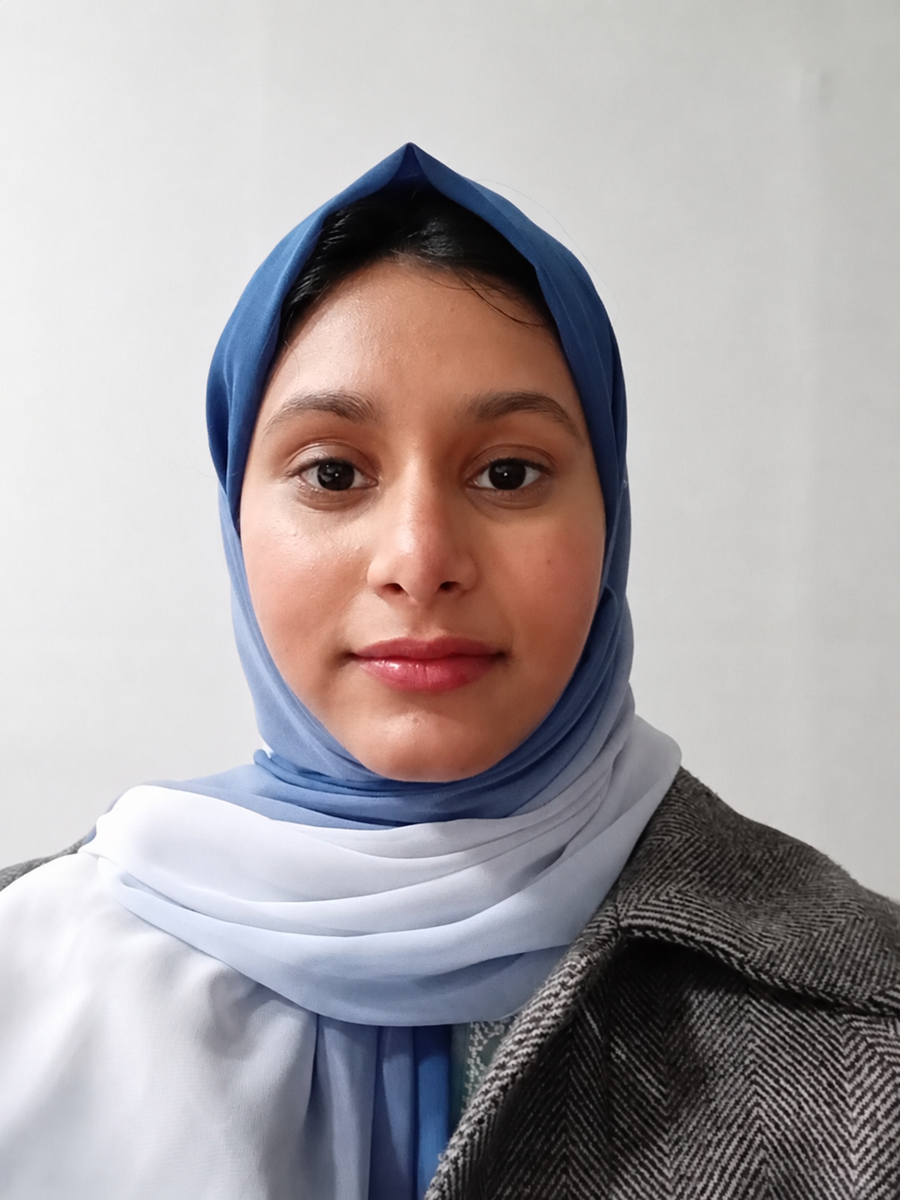
Syeda Aeliya Batool is the student of Peace and Conflict Studies at National Defence University Islamabad. Her academic focus lies on international Peace and Security and analysing the conflicts and other international matters with the lens of international law.