Dr Rizwana Abbasi
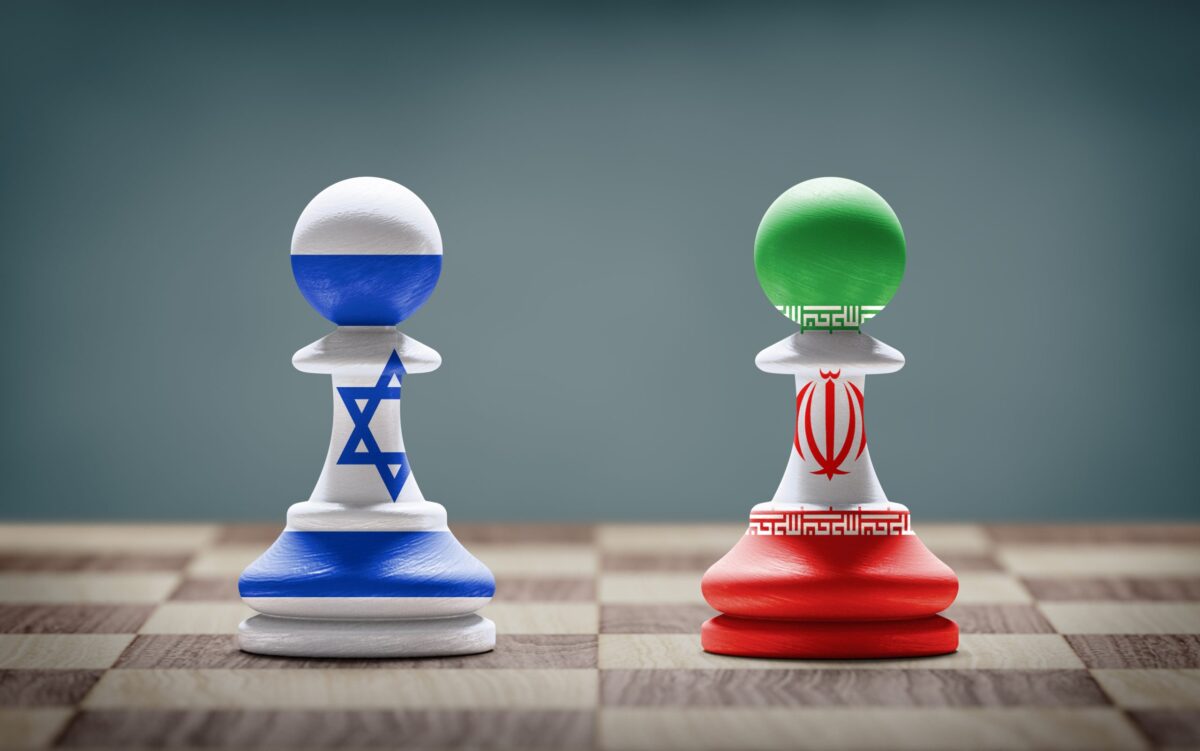
Pakistan has emerged as a key peace broker and intermediary to initiate peace talks among the conflicting contenders amid the intense escalation of the Iran war. Instead of taking sides, Pakistan has chosen the path of a bridge builder, a message carrier between the conflicting parties, and also a potential host for such peace talks, regardless of the outcome.
Pakistan’s intervention to take the first step to mobilise multiple state actors, including Egypt, Saudi Arabia, Turkiye, China, and Russia, in this direction is indisputably central. Pakistan’s opening up of a gateway to diplomacy has certainly created a ray of hope for the de-escalation of this horizontally and vertically expanding conflict. In this process, the world’s eyes are on Pakistan to see how a road to diplomacy unfolds.
Amid growing tensions, analysts worldwide are anticipating how Pakistan will exert its influence to bring about peace in the complex crisis. Pakistan holds leverage on both sides (Iran and the United States) due to its remarkable foreign policy and balancing strategy. It goes without saying that Pakistan is a responsible and peace-loving state that aspires to have a stable and peaceful neighbourhood. Pakistan always prefers diplomacy and negotiated settlement on strategic disputes. It respects the global rules-based order, applies principal positions, and upholds the global multilateral system.
Pakistan has opted to remain neutral rather than taking sides in the Iran war. Pakistan’s geographical position and strategic as well as geopolitical relevance necessitate its intervention as a peace builder in this conflict. It shares a 909-kilometre border with Iran and enjoys historical, cultural, economic, and diplomatic connections with the latter. Both states are positioned at a crossroads, bridging South Asia, the Middle East, and Central Asia.
The present government in Pakistan also enjoys affable ties with the Trump Administration, and has closer bonds with Saudi Arabia and other Gulf states. Pakistan has maintained an effective balancing act between China and the United States in the present times. Therefore, Pakistan’s role in the conflict is unique and of great significance.
Pakistan does not aspire for any spillover of the conflict within or beyond its borders. Like others, Pakistan is heavily dependent on the Strait of Hormuz, where any disruption in oil and gas supplies could trigger an economic shock inwardly. Skyrocketing global energy prices and visible shipping risks will lead to an uncountable number of challenges to Pakistan’s economy and foreign reserves. More than seven million Pakistani diasporas are settled and employed in the Gulf region. Continued disruption and an escalation of war will result in a return home, affecting the flow of remittances and creating joblessness at home.
Pakistan’s peace efforts in this conflict are genuine. Pakistan has been vocal on the multilateral forums, advocating for adherence to international law and emphasising a negotiated settlement to deal with the Iran case. The country’s official statements have throughout advocated for the respect of the United Nations (UN) Charter, stressing the use of the power of diplomacy. In this context, Pakistan’s foreign minister and prime minister opened a gateway for shuttle diplomacy with leaders from other states that are members of multilateral forums, i.e., the Organisation of Islamic Cooperation (OIC), the UN, and other UN-led bodies.
Additionally, Pakistan has directly initiated a back-channel of diplomacy and communication with the United States and Iran, through which it regularly conveys messages to the conflicting parties. The US leadership, including the Vice President and JD Vance, is communicating indirectly with Iran via intermediaries, including Pakistan. The US has indicated political willingness for a ceasefire deal but has also issued warnings of escalation, so both diplomacy and coercion are in play simultaneously.
The US-led 15-point plan was transmitted to Iran via Pakistan, but Iran outrightly rejected it, calling it “one-sided.” Iran has reportedly shared counter-proposals through indirect channels that include Pakistan. The issue here is that public statements by top leaders, often intended for local audiences, undermine the progress made in back-channel talks; no conclusive peace negotiations have yet begun.
Moreover, the foreign ministers of the four states, i.e., Pakistan, Egypt, Saudi Arabia, and Turkiye, have met in Islamabad – a potential venue for US-Iran negotiations, which were backed by China and the UN, thus strengthening the need and legitimacy of such talks. All four countries agreed that dialogue is the only viable way forward to the cessation of military use. The outcome of the meeting was that the conflict should be controlled, risks of further military escalation need to be reduced, wider regional instability should be avoided, and ceasefires should be held immediately.
Pakistan is also in consultation with China and Iran, and is a bridge between the US and China on achieving a peaceful settlement in the conflict. Pakistan and China are now part of a new mediation bloc, which seemingly replaces the traditional Gulf mediators, i.e., Oman and Qatar. During a high-level meeting in Beijing between Pakistan’s FM Ishaq Dar and China’s FM Wang Yi, both countries unveiled a joint mediation plan for the Iran war. This marks a formal China–Pakistan coordinated diplomatic effort on this conflict.
This five-point plan is an approachable and succinct framework that is not binding but informal. This transcends normative spirit and creates a discussion for respecting diplomacy and international legal institutions. The major downside of this plan is that it was drafted in the absence of US or Iranian participation. Thus, the legitimacy of the draft is fragile.
In this scenario, the central question remains: how can the opening of the mediation window benefit Pakistan? Pakistan can facilitate the process, not enforce peace in this war. Pakistan’s engagement in mediation spread across a clear message of its commitments to regional stability and its role as a responsible state in the comity of nations.
Disregard of the talk’s success or not, this will enhance Pakistan’s role as a responsible global player, thereby increasing its diplomatic prestige and space in global politics. Successful mediation can move Pakistan from a “security problem” state to a “peace broker”, leveraging its role among key world players. Economically, mediation will lead to a stable oil process, which is not only important for Pakistan’s economy but also crucial for the regional and global economy. If successful, this will lead to opening up new avenues for investment and improve Pakistan’s standing in the Western financial system.
More so, Pakistan will gain security advantages by preventing war from spilling over into its border regions. Such a move can reduce the risk of sectarian tensions inside Pakistan and prevent refugee influx at the regional level. Successful mediation can offer strategic leverage to Pakistan in future diplomacy towards the Afghanistan issue, in the case of China–US balancing and Islamic world leadership.
Pakistan’s role is important, but not decisive. Final decisions depend on the central players such as the U.S., Iran, and Israel. However, Pakistan’s first move in this direction has set a pathway to diplomacy and transmitted a message of PEACE worldwide. Strategic Intentions lead to enhancing credibility irrespective of the outcomes.
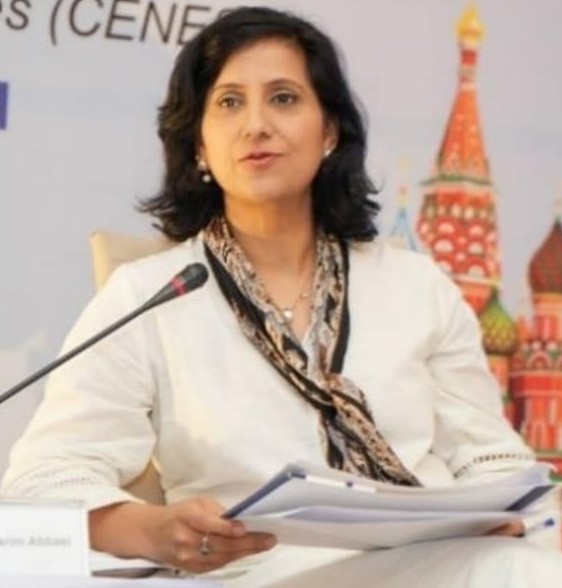
The writer holds a PhD and is a professor of International Relations and Security Studies at NUML, a non-resident fellow of CISS in Islamabad, and a visiting fellow at the Central European University in Austria.