

Fatima Sajjad
Munich Security Conference refers to the global forum for debating international security policy. Founded in 1963, the security conference is held every year in February. The 62nd Munich Security Conference 2026 was held from 13 to 14 February 2026 at the Hotel Bayerischer Hof in Munich, Germany. It was attended by heads of state, government ministers, members of parliament, high ranking armed officers, academia, and international organizations.
This unofficial gathering, brought together 450-600+ high profile individuals to discuss security challenges and draft possible policy measures. The conference played a pivotal role in shaping global security policy and strengthening international cooperation through diplomacy.
The primary purpose of the conference was to provide a space for informal dialogues and reduce future conflicts through diplomatic means. It is preventive diplomacy and manages conflicts to prevent escalation. The Munich Security Conference (MSC) transitioned from a “transatlantic family meeting,” a NATO-focused forum to a global platform. This was done to address a broader, more diverse security agenda.
The platform provides a neutral platform where countries can discuss their security issues irrespective of alliances and rivalries. It helps to prevent misunderstandings and find solutions for conflicts, as diplomatic methods had already resolved major inter and intra state conflicts. It is an informal forum or Track 1.5 diplomacy.
The Munich Security Reports (MSR) are published annually by the Munich Security Conference (MSC), shaping the global security agenda, defining threats, influencing policy debates and promoting transnational cooperation. The MSC shapes international security discourse by serving as a critical “early warning device” for the international community and frames debates on multipolarity, resilience and global order.
The Munich Security Conference stays substantial during international crises. As of early 2026, the world is witnessing that the power that the United States has held internationally will give way to a global system made up of many equally powerful states rather than a single state. This will lead to more competition, instability and high chances of war.
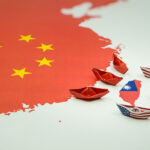
One of the most dominant features of global politics is the competition between China and the US due to advanced technology, trade, military strength and control of regions of the world. The close relationship between China and Russia poses a challenge to Western powers that have historically occupied a dominant position and is changing the historically friendly balance of power between these countries.
The relationship between Russia and the West is worsening due to the ongoing Ukraine war, the sanctions against Russia by Western nations and the almost total loss of trust. In addition, the United Nations system of global governance is also experiencing significant fragmentation. In this fragmented world system, platforms that promote dialogue will be increasingly important.
The Munich Security Conference is a key venue for dialogue and confidence building, as well as for addressing rising tensions in the global community.
The Munich Security Conference remains a vital platform for dialogue in an increasingly multipolar and fragmented world. By promoting preventive diplomacy, strategic communication and agenda setting, it helps manage rising tensions among major powers. In times of instability, such forums are essential for sustaining cooperation and global security.
The author is a scholar of Peace and Conflict Studies at National Defence University. She is interested in research and contemporary international affairs, particularly in the fields of peace, conflict and global security.