Aleena Yousuf
From arms deals to defence agreements, Pakistan’s success last May in effectively deterring India and demonstrating its military capability has opened many doors for the country. The most recent development in this regard is talks on a trilateral defence agreement between Pakistan, Saudi Arabia and Turkey.
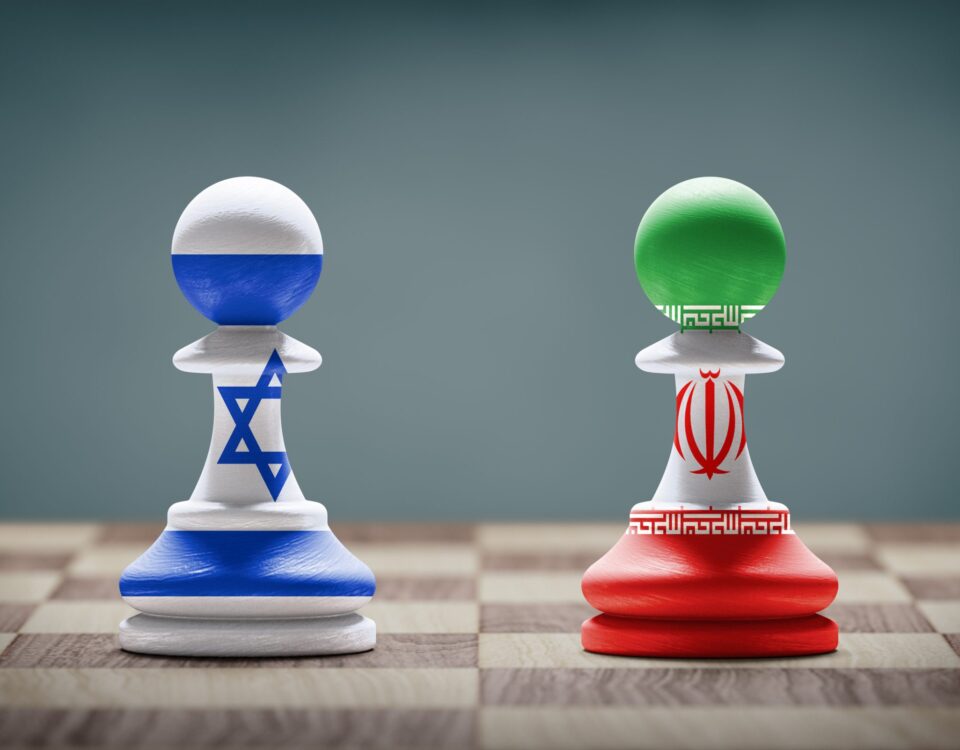
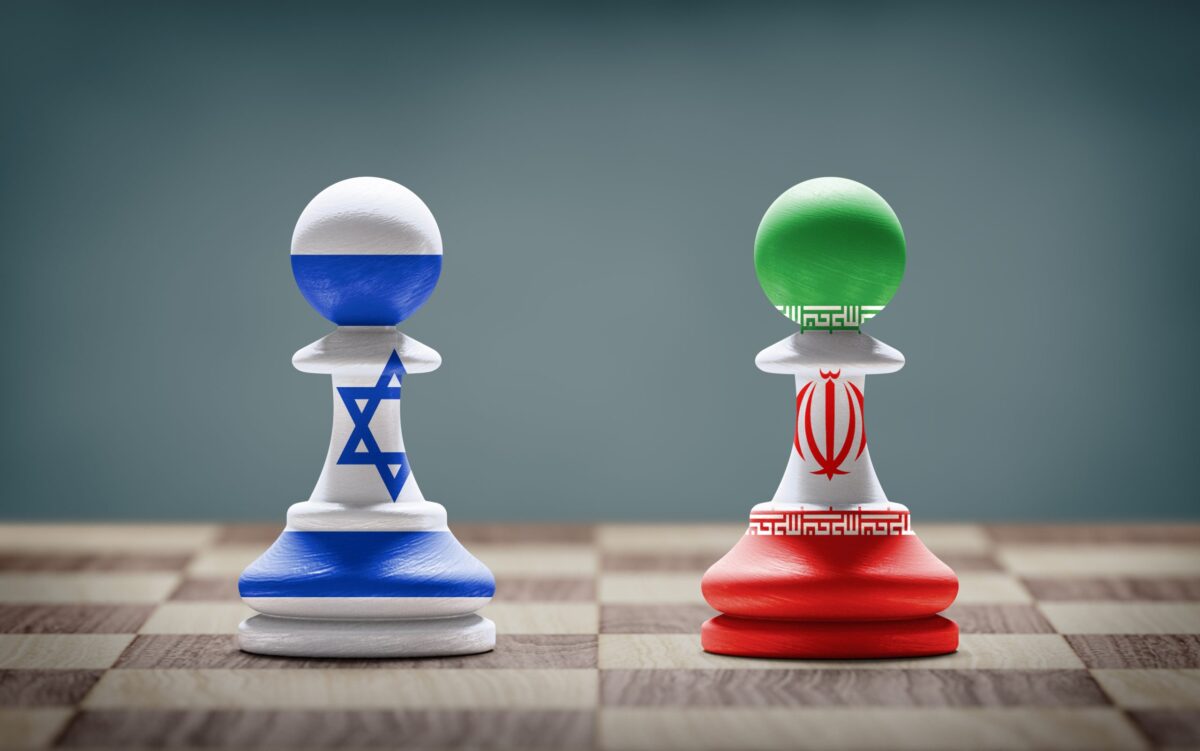
This is highly relevant as the world is becoming increasingly multipolar and conventional approaches to defence and national security are being seriously challenged. With Israel’s growing military aggression in the region and the United States being its closest ally, Gulf countries’ trust in their traditional security guarantor namely, the United States has weakened and hence resulted in a heightened insecurity.
Interestingly, in recent years Saudi Arabia and Turkey have found significant common ground and converging geopolitical interests while, Pakistan as the only Muslim nuclear armed country, has substantial strategic value to offer.
Initially, a Strategic Mutual Defence Agreement (SMDA) was signed between Pakistan and KSA on 17th September 2025. The agreement broadly aims to develop defence cooperation and joint deterrence against any aggression, adding that “any aggression against either country shall be considered an aggression against both.” Notably, this agreement was signed just a week after Israel’s strikes on Doha which shares border with the Kingdom.
Pakistan’s minister for Defence Production, Raza Hayat Harraj has recently announced that talks on a similar agreement are underway between Pakistan-Saudi Arabia-Turkey. This development has raised many concerns among other regional actors, including the UAE, Israel and India. As a result, Muhammad Bin Zayed made a brief visit to Delhi to tighten his own defence cooperation in case of potential tensions with his Saudi counterpart.
Riyadh and Abu Dhabi disagree on several regional issues including Sudan, Yemen and the Somaliland. For instance, in Sudan the KSA is supporting the Sudanese military against the Abu Dhabi backed RSF (Rapid Support Force). Pakistan is discussing an arms deal with the Sudanese Army and thus aligns with Saudi Arabia’s position in Sudan. However, Turkey and Pakistan would prefer to remain on good terms with the UAE, for it offers significant economic benefits in terms of investments, trade deals and loans.
More broadly in the region, Ex Prime Miniter of Qatar has publicly advocated for a strategic defence alliance and even suggested Egypt as a potential fourth member to join, calling it a necessity in evolving regional and global dynamics highlighting how growing Israeli aggression in the region has pushed West Asian countries closer together. This shows overlapping strategic interests, as Ankara also seeks to deter Israeli Military activity in Syria which will have a direct spillover effects on Turkey.
These agreements, however, should not come as a surprise, for Pakistan has been training Saudi military personnel since the 80’s and the Kingdom has often rescued Pakistan from a potential bankruptcy. Turkey and Pakistan have a strong defence relationship, Ankara has supplied Islamabad with naval platforms, expanded joint military exercises and deepened cooperation on drones and related systems.
In fact, these ties have transformed from arms sales to co production recently. Many have started calling this trilateral bloc (if the agreement is finalized) Muslim NATO which hints at why Turkey would be interested to join. Turkey has a contested position in NATO and even NATO itself is in a dilemma at the moment due to US-EU tensions over Greenland. In such geopolitically fragile times, this pact, if it signed, can be used for political signaling as well as a mechanism for broader regional peace and security.
Amid these discussions on defence cooperation, question arise whether this agreement would place Saudi Arabia and Turkey under Pakistan’s nuclear umbrella. However, no official clarifications or details have emerged to confirm or deny these concerns.
As security states, Pakistan, Saudi Arabia and Turkey have constantly sought to expand their military influence and invest heavily in the defence sector. Turkey and Pakistan are now in a position to export arms to other countries, while for Saudi Arabia, diversification of defence partnerships is increasingly important when outsourcing security, a lesson every country has to learn from what has become of Europe!
The author is a PPE (Philosophy, Politics & Economics) student at the Aga Khan University Faculty of Arts and Sciences with an interest in geopolitics, current affairs and political economy.