


Shahrizoda Mardonova
Youth are not just the future generation of a country but also an active participant in shaping the present. Their thoughts, hopes and involvement contribute to the quality of governance, public policy and social development over the long term. Youth globally today have deepened their involvement in public life and expressed concern about political accountability, social justice, and civic involvement.
However, this new consciousness has not always been reflected in increased representation in formal political bodies. Less trust in political institutions and in the effectiveness of conventional political participation have persisted among many youth and they have been wondering whether the political systems reflect their interests.
The questions are especially pertinent in Central Asia where young people constitute a large percentage of the population and where the governments are increasingly realising that youth should be considered the strategic partners in the national development process. Youth in Uzbekistan is an important and valuable demographic and political resource, as they make up 25.7% of the population.
In recent few years the country has adopted a number of comprehensive reforms that aim to provide young people with opportunities to participate in the life of society through youth organizations like the Youth Affairs Agency, the “Youth of New Uzbekistan – 2030” Strategy, youth councils and the Youth Parliament.
Initiatives that are being developed reflect a greater commitment to youth development. But an important question remains: do these reforms enable meaningful political engagement, or do they mainly increase opportunities for representation, but not for youth to have a meaningful say in public decisions?
In Uzbekistan youth are not politically apathetic. Rather, their political orientations are a result of growing civic consciousness, growing institutional opportunities, and continued structural barriers that remain a significant aspect of their political life.
The most prevalent misconception about youth political participation is that participation is synonymous with either voting or standing for office or belonging to a party. These measures are still relevant but do not completely reflect the breadth of modern political involvement. Youth participate in various ways, such as volunteering, community-based activities, public forums, advocacy efforts, and online platforms.
Politics is no longer limited to the arena of Government: politics is also present in the classroom, at the university, in the civil society organizations and in the Internet where public phenomena are discussed and collective action is organized. Assessing political involvement in terms of formal institutions alone can potentially underestimate the role of other civic activities.
Digital technologies have changed the ways in which young people are gaining access to political information and expressing their political opinions. Social media offers a more easily accessible environment for the latest news, for sharing views and for engaging in public debate without as many restrictions as political institutions. But digital engagement is not necessarily political influence.
Online participation can raise awareness and help to initiate discussion, but it is not always effective in driving policy change or ongoing civic engagement. In politically sensitive settings, fear of surveillance, censorship, or potential social repercussions can also hinder the free practice of political expression, affecting how digital participation can manifest as actual political power.
Changes in institutions and meaningful participation must also be considered. Uzbekistan has taken steps to put in place the necessary mechanisms that would include youth in governance. The establishment of youth councils, leadership programs and Youth Parliament are a recognition that young people need to be involved in the decision-making of the public. But organizations and institutions do not signify meaningful participation.
Youth engagement is proven to be effective when young people feel their views are heard and have an impact on public policy. Even if formal opportunities for participation exist, the perception that participation is largely consultative or symbolic will result in limited trust in political institutions.
This difference is significant in the context of youth political attitudes in Uzbekistan. Instead of asking what young people want to do with politics, it is better to consider whether there are enough opportunities for involves of young people to have a real impact in existing institutions.
Confidence that participation matters, in addition to the availability of participation mechanisms, also influences political attitudes. If the responsiveness of the institutions seems low to young citizens, his or her desire to be involved politically may be dampened, even if institutional engagement is possible.
Simultaneously, a failure to consider only institutional distrust in regard to youth attitudes would be a partial answer. The rising generation is becoming an active force in society in various ways, such as entrepreneurship, volunteering, education development, community building and electronic civic involvement.
Often these activities may not be understood as political participation in the usual sense of the word, but they help to reinforce civil society, foster a sense of collective responsibility, and play a role in public life. While political participation is still a work in progress, both governments and researchers need to understand that civic engagement is not limited to electoral politics.
The number of institutions established in Uzbekistan is not as important as how young citizens interact with the state in the future. While recent reforms have provided key institutional support, far more is needed than just representation on paper in order to allow for meaningful participation.
It demands trust, transparency and responsiveness, and a belief that young people’s voices can influence public decision. In a country with over a quarter of its population being young people, this is not just a youth policy issue: it’s an investment in more responsive governance, better institutions and the country’s longer-term political trajectory.
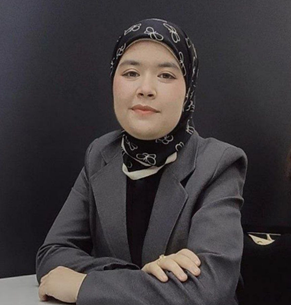
Shahrizoda Mardonova is a third-year undergraduate student at Webster University in Tashkent, majoring in Economics and International Relations. Her research focuses on economic development, public policy, governance, institutional reform, and international political economy.