

Saya Yergaliyeva
Kazakhstan has reached the point where nuclear power is moving from public debate toward implementation. The country has substantial uranium resources and recorded an electricity production gap in 2024. Those facts make nuclear energy worth evaluating, though they do not settle the matter. The initiative will be judged by its cost, safety, and whether its benefits reach Kazakh businesses and workers.
The pressure on the grid is documented. In 2024, Kazakhstan generated 117.9 billion kilowatt-hours of electricity and consumed about 120 billion, a gap of roughly 2.1 billion kilowatt-hours, according to KEGOC’s annual report. Coal-fired thermal plants supplied 74.9% of generation in the country’s unified power system, while renewables accounted for 6.4% of total electricity production. Demand rose by 4.3% that year. Maintaining and expanding power plants and transmission infrastructure will take investment.
A nuclear facility could provide steady electricity alongside wind and solar. If it is connected to the grid where power is needed and completed on schedule, it could reduce reliance on imports and supply energy-intensive industries. Replacing some coal generation could also lower power-sector emissions, though the climate benefit depends on whether nuclear output displaces coal or serves additional demand.
The referendum showed support for the proposal, while leaving key project details open. In October 2024, 71.12% of those who voted supported building a nuclear power plant; turnout was 63.66%, according to the Central Referendum Commission. In September 2026, Kazakhstan’s nuclear energy agency announced a design, supply and construction contract between Kazakhstan Nuclear Power Plants and Rosatom’s Atomstroyexport.
The agency said further procedures, including government approval, remained. It also described local industrial participation as a project priority (agency announcement). The agreement moves the project forward, but does not itself provide a public financing plan or guarantee lasting technology transfers to local industry.
Local participation is central to the economic case. Construction could employ engineers, logistics providers, materials suppliers and safety specialists. Later, plant operations could support technical education and research. Kazakhstan’s uranium sector brings experience in extraction, but mining alone does not create expertise in reactor engineering, nuclear regulation or waste management. Local-content requirements will have lasting value if domestic firms build skills they can use on future projects and workers receive training that remains useful after construction ends. Public reports should show which contracts go to Kazakh firms, what training is provided and whether promised targets are met.
Financing presents a major challenge. Nuclear plants require large upfront investment, long before they generate electricity or revenue. The International Atomic Energy Agency’s 2024 report on nuclear financing identifies construction as the period of greatest economic risk: delays and cost overruns can leave investors paying debt before the plant earns income. Depending on the financing arrangements, state loans, public guarantees or long-term power-purchase agreements could expose taxpayers and electricity consumers to some of that risk.
Before final terms are settled, the government should publish the financing structure, expected effects on electricity bills, and who would be responsible for overruns. Comparing projected costs with investment in grid upgrades, storage, efficiency and renewables would help the public judge the trade-offs.
The foreign-led consortium also raises questions about long-term dependence. A foreign partner may bring experience and technical support, while a reactor can require specialized parts, fuel services and maintenance over many years. Kazakhstan’s uranium reserves do not automatically provide independence in those areas.
The government should explain the division of operational responsibilities, fuel arrangements and opportunities for Kazakh suppliers. Commercially sensitive details may need protection, but the public still needs enough information to assess the project. Independent technical expertise and a capable regulator will be important throughout the plant’s lifetime.
Water use near Lake Balkhash also needs careful assessment. The lake’s basin faces competing demands and climate uncertainty. A peer-reviewed study describes its water balance as vulnerable to both human use and climate change (Hydrology and Earth System Sciences, 2026).
The study does not show that a nuclear plant would harm the lake. It does strengthen the case for independent assessment of water consumption, thermal discharge and cumulative impacts, with results and monitoring data made public. Kazakhstan also needs credible, funded plans for radioactive waste, emergency preparedness and eventual decommissioning. The IAEA’s guidance for countries starting nuclear programmes identifies these responsibilities as part of the infrastructure such a programme requires.
Kazakhstan should judge the project by what it delivers: reliable electricity, manageable costs, safe operation and lasting local expertise. Nuclear power could help stabilize supply and reduce reliance on coal, but those outcomes depend on how the project is financed, regulated and built. I would give particular weight to the cost and transparency question: if the public is expected to carry part of the financial risk, it should be able to see the assumptions behind the decision and track results as construction proceeds. The reactor’s value will depend on dependable power and benefits that reach the country, alongside clear accountability for its long-term obligations.
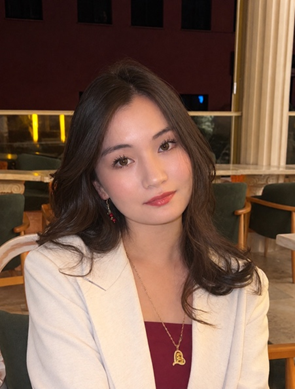
Saya Yergaliyeva is an international student from Kazakhstan pursuing a degree in economics at Izmir Katip Çelebi University in Türkiye. She is co-founder and president of NextGen Thinkers, a student initiative exploring finance, investment and emerging technologies. A freelance translator and localization specialist, she has completed more than 200 projects in English, Kazakh and Russian. Her interests include behavioral economics and technology.